
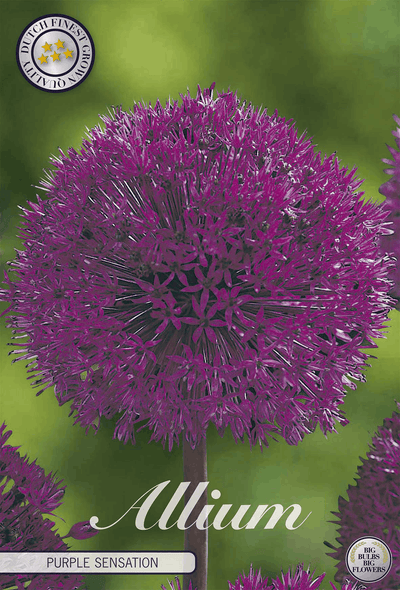
Giant allium
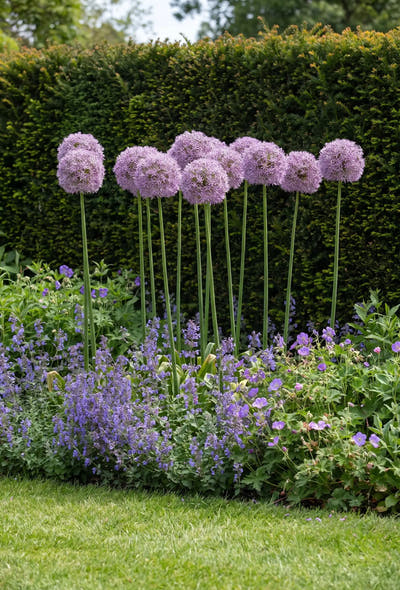
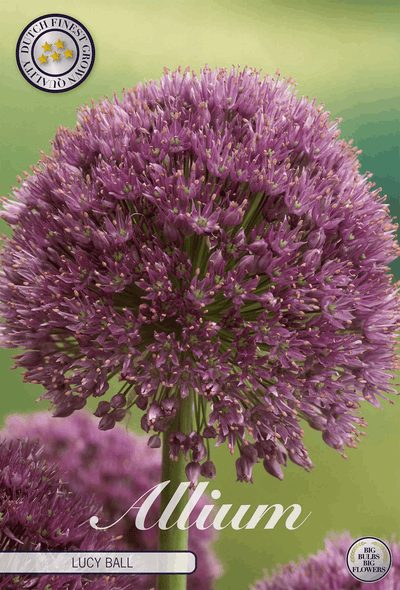
Want to add instant height and calm to your border in spring? In this giant allium collection, you'll find large ornamental alliums with round flower heads on sturdy stems. They are easy to combine with perennials and ornamental grasses and quickly create a striking yet calm look. Plant the bulbs from September to November for flowers in May and June. Want to compare sizes and heights? Explore all alliums.
Période de floraison
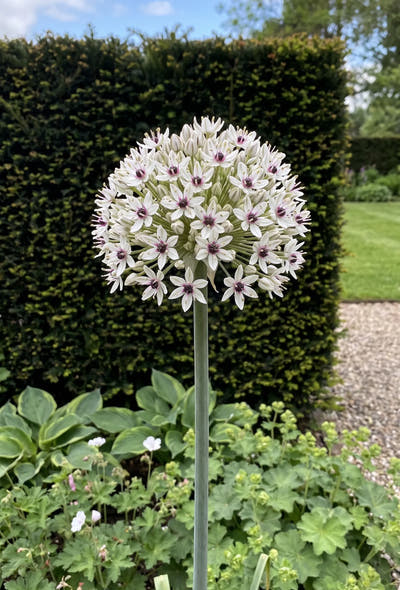
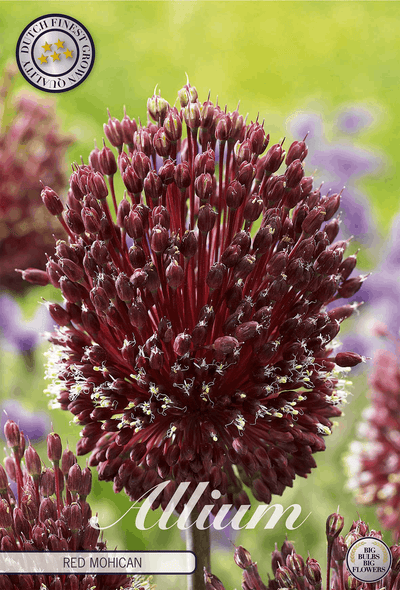
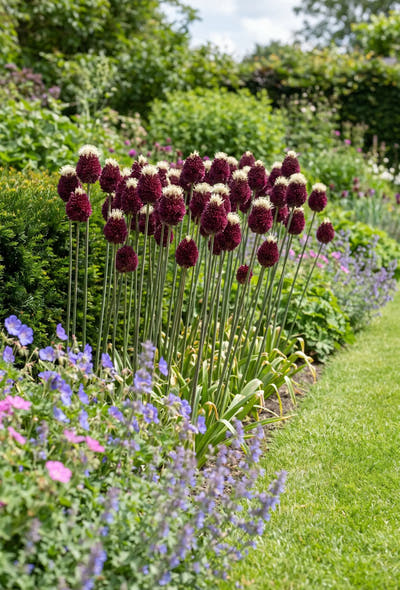
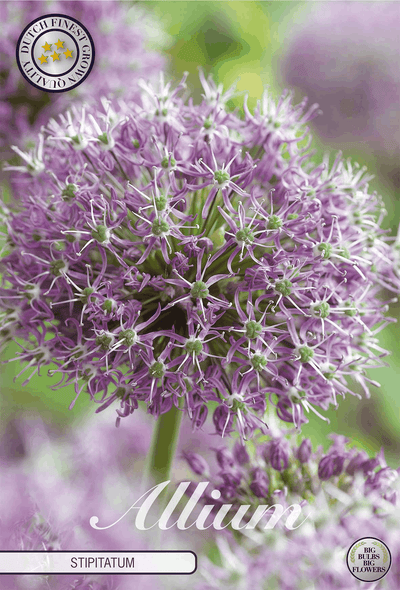
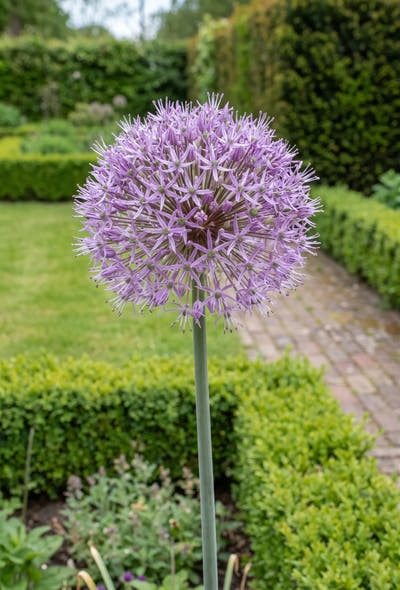
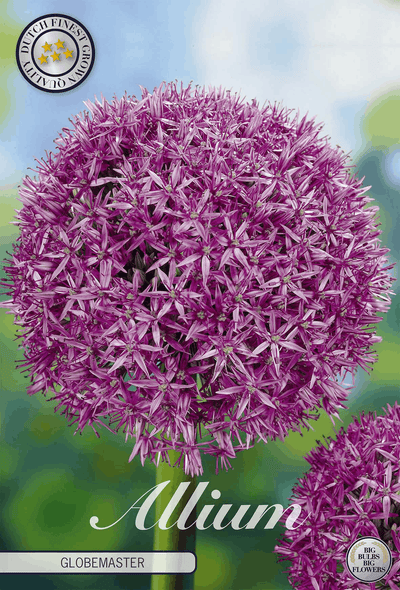
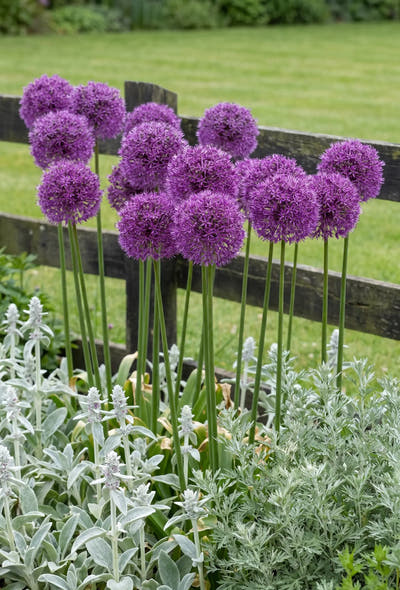
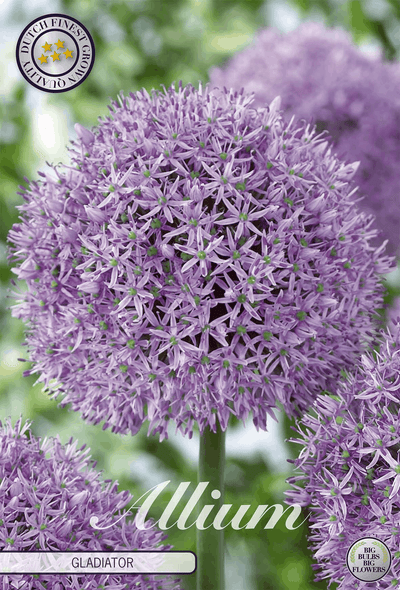
Why choose a giant ornamental allium?
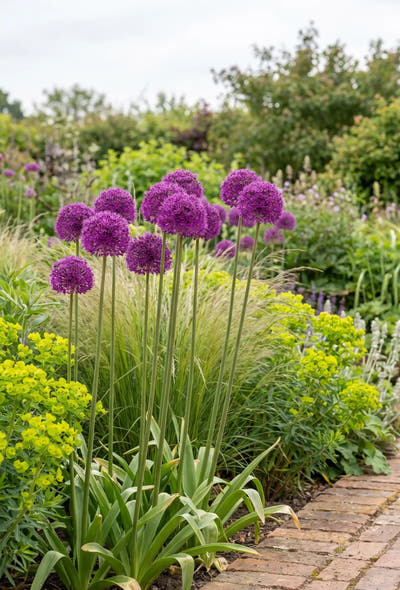
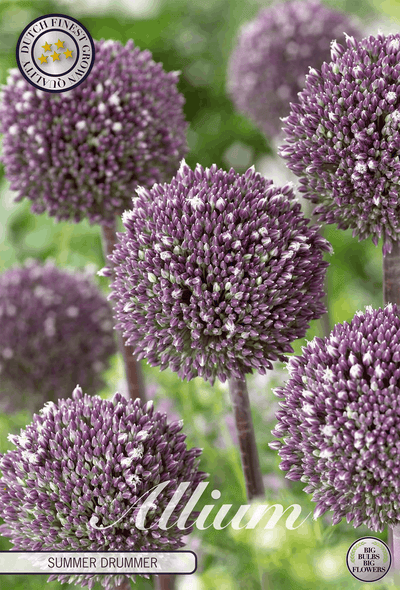
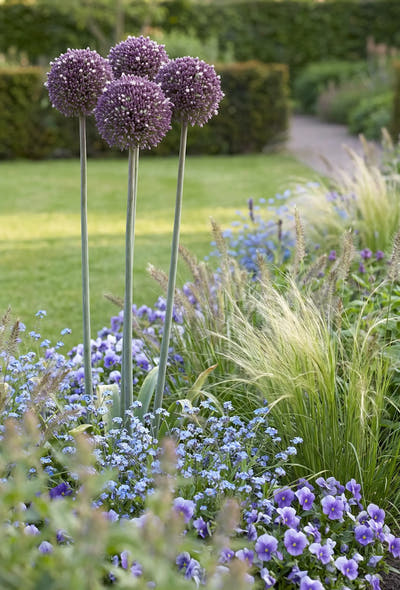
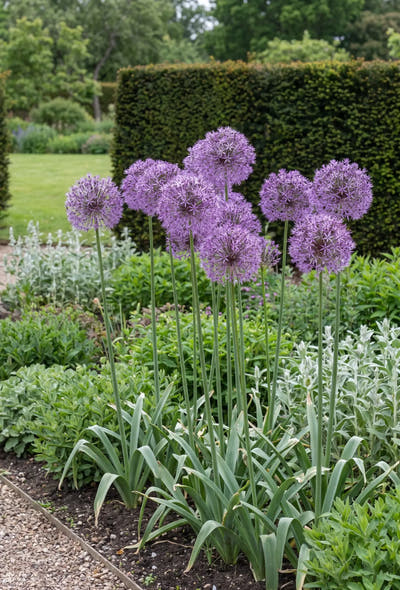
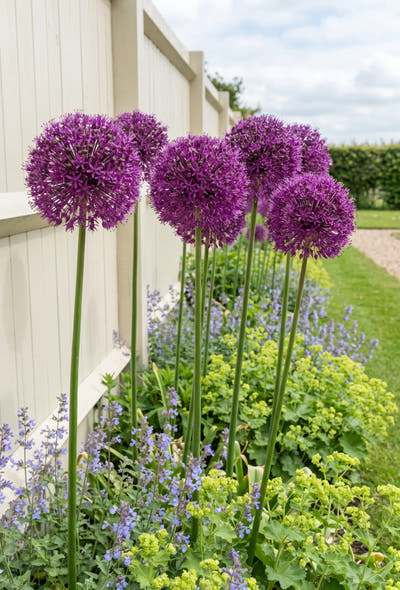
Giant allium is loved for its strong shape. The flowers seem to float like round globes above the border and bring structure without making the planting look heavy. That makes this ornamental allium suitable for both a formal border and a more natural garden.
Besides its ornamental value, giant allium is also a practical choice. The plant needs little attention, combines easily with other garden plants, and attracts bees and other pollinators. Even after flowering, the seed heads often stay decorative, so you can enjoy them for longer. Want to do more for pollinators? Discover our bee-friendly flower bulbs.
Planting giant allium
You plant allium bulbs in autumn, from September to November. Choose a spot in sun or partial shade with well-drained soil. Giant ornamental allium is less suited to places where water sits for a long time in winter, so an open spot usually gives the best results. Planting in containers or on a balcony? See alliums for pots.
The right planting depth and spacing vary by variety. So always follow the product information for the bulbs you choose. For a strong effect in the garden, it works well to plant giant allium in small groups or repeat it through the border. For step-by-step tips, see Allium planting and care.
Care and coming back each year
Giant allium is an easy garden bulb. Let the foliage die back naturally after flowering, so the bulb can store energy for the next flowering season. You can remove spent flower heads, but you can also leave them in place as decorative seed heads.
Most giant alliums can stay in the ground and often return every year, as long as the spot is not too wet. In exposed places, a sheltered spot helps keep the tall stems upright. That combination of low maintenance and strong impact is exactly what makes giant allium so popular.
Combining well in the border
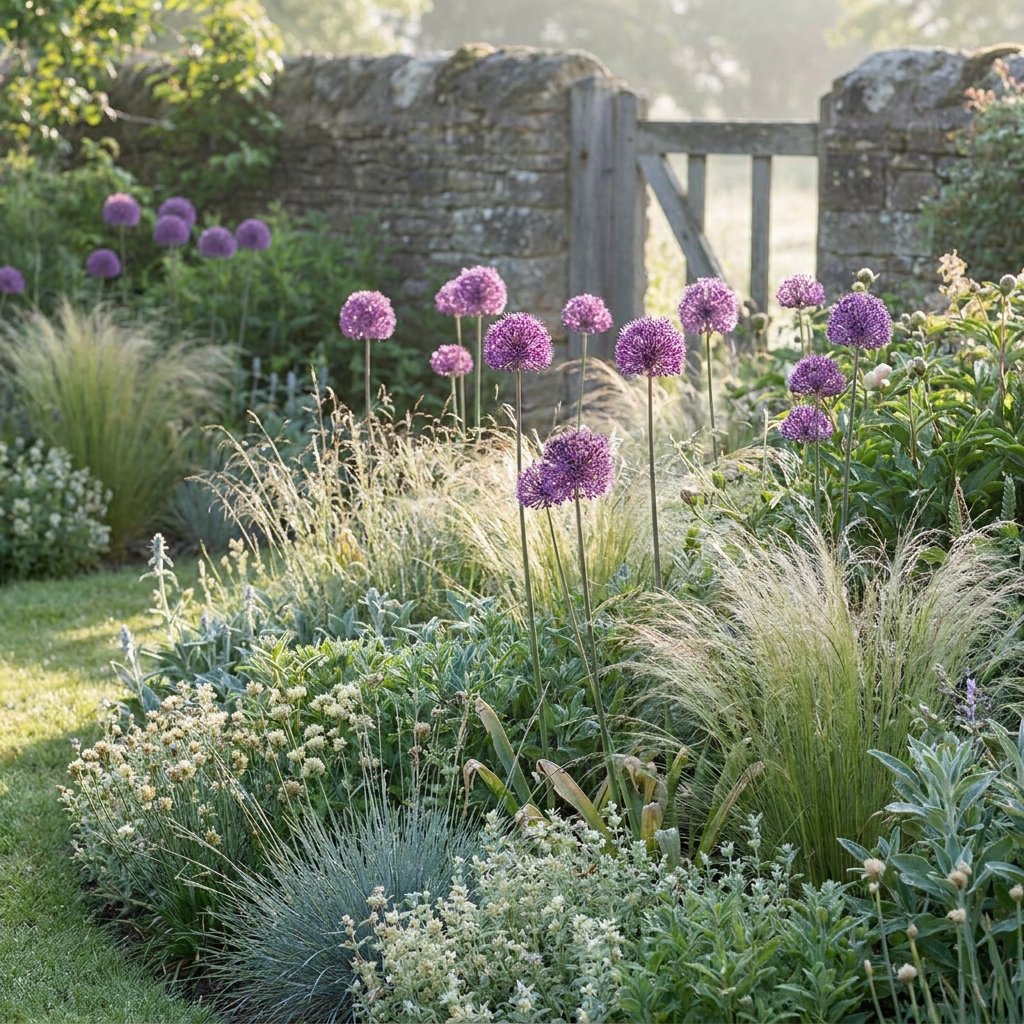
Because of its round flower shape, giant allium combines well with plants that have fuller foliage or a looser habit. Think ornamental grasses, sage or lavender. This is not only attractive, but also practical, because surrounding plants can subtly hide the foliage later in the season.
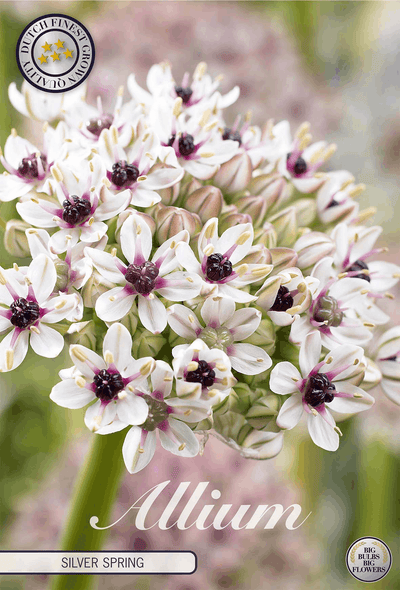
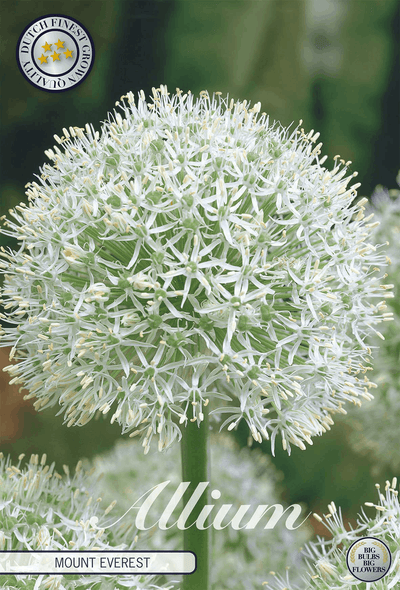
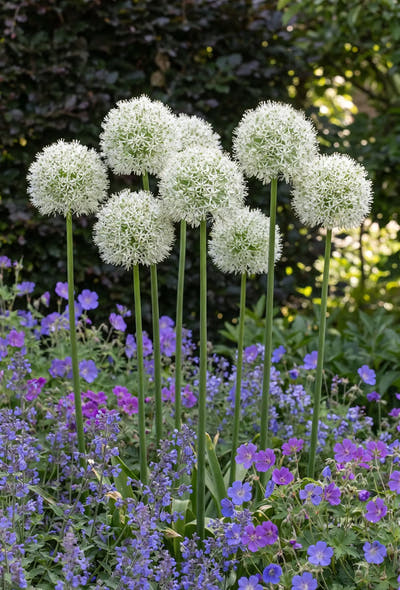
Prefer a softer palette? Try white alliums alongside the purple giants for a fresh, airy look.
For stylish season layering, team them with purple tulips that flower just before the alliums.
Frequently asked questions about giant allium
What is a giant allium?
A giant allium is a large ornamental allium known for its globe-shaped flowers and strong vertical look. It is an autumn-planted bulb that you plant in autumn for flowers in May and June.
Do alliums come back every year?
Many alliums come back every year if they are in a suitable spot. Well-drained soil in particular helps keep the bulb healthy. Always let the foliage die back first after flowering before removing it.
Does allium self-seed?
Some alliums can self-seed, but this varies by variety and location. For reliable results, mainly count on the bulb itself coming back, not just on spontaneous self-seeding.
Is allium winter hardy?
Giant allium is usually grown as a hardy bulb and can generally stay in the ground. Wet winter soil is often a bigger risk than cold, so an open, well-drained spot is important.